
Peru suspends mining concessions in ecologically sensitive area of its northernmost department
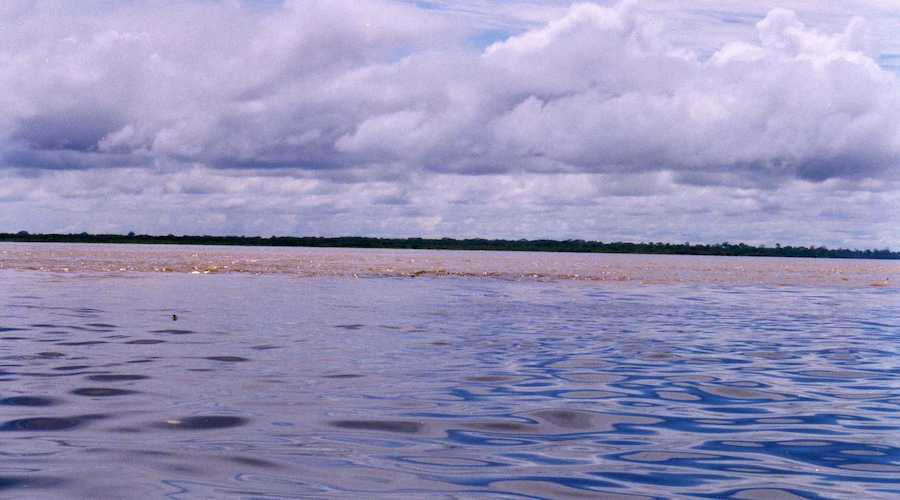

During a town hall organized in the city of Iquitos by the People’s Commission of the Congress, the ministry’s general director of mining, Jorge Enrique Soto, noted that the decision follows repeated requests from citizens, environmental and Indigenous organizations and local authorities demanding the protection of the Nanay River as it supplies fresh water to more than half a million people.
Such demands date back to mid-August, when the Geological, Mining and Metallurgical Institute (Ingemmet) granted local company Raíces Gaddaffy a 1000-hectare concession in the upper basin of the river.
The fact that legal operations were being allowed baffled people in Loreto as they have been struggling for years to get rid of illegal miners polluting the Nanay River. According to the Andean Amazon Monitoring Project (Maap), between 2022 and 2023, over 122 unregulated mining structures were located in the area.
The recent decree, however, won’t have any retroactive effect on the concession already granted to Raíces Gaddaffy. Other mechanisms such as an appeal for protection and an administrative complaint, already introduced by a number of organizations against the company, will have to proceed in order for the concession to be reversed.
“If we allow for this activity to take place, as it’s already happening in the Nanay, the river is going to disappear and we will be condemned too. Over half a million people in Iquitos will also disappear,” José Manuyama, the environmental activist leading the actions to defend the Nanay River, said at the town hall. “As images show, the Nanay River is starting to look like the new Madre de Dios.”
Located in the Amazon Basin in the southeastern part of Peru, Madre de Dios is a protected tropical biodiversity hotspot that has been plagued with illegal river gold mining for years.
Crédito: Link de origem

- Advertisement -

Comentários estão fechados.