
Afrobeat group The Afroseas make waves in Hong Kong after hit capturing boat party vibe


They’re keen to follow up on their recent hit “To The Boat”, a chilled tune that perfectly captures Hong Kong’s boat-party vibe.
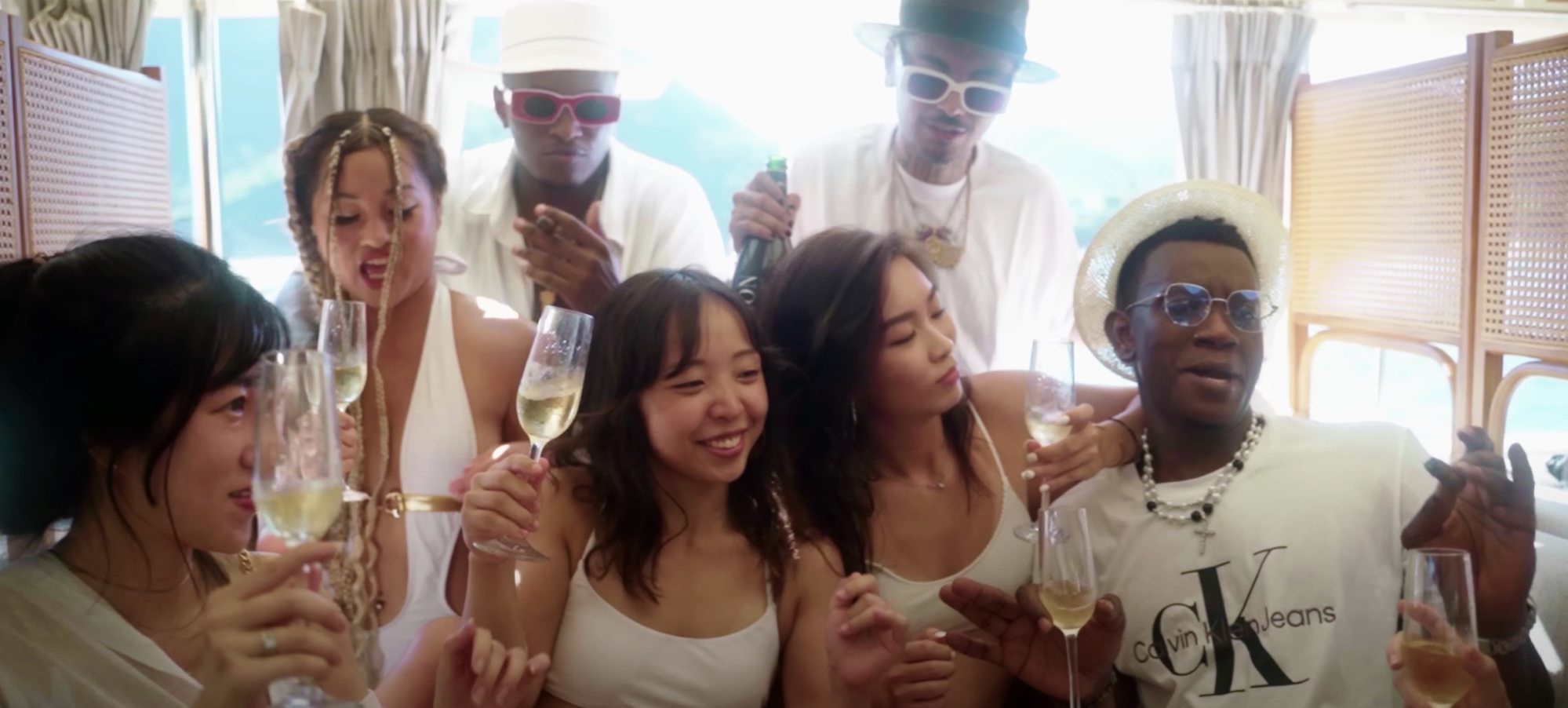
Shot in the sparkling waters off Clear Water Bay, the music video has already racked up more than 200,000 views since it premiered on YouTube in August.
The video features the pair surrounded by bikini-clad girls dancing and sipping champagne. And it wouldn’t be a boat party without some wakeboarding and water toys.
“We feel so blessed by the success of ‘To The Boat’,” says Sierra Leone-born Supa Massie.
Korean rapper Mirani on burnout and her secret to success
Korean rapper Mirani on burnout and her secret to success
“We put so much energy into that song and its production and had such a great team working on it, including Master Abe Pro,” he says, pointing to the group’s Ghanaian producer chilling on a couch.
The duo were also blessed to have on board rapper Jiggie Boy, also known as JB, an ethnic Filipino born and raised in Hong Kong, in what is one of the first collaborations between an Afrobeat group and an Asian artist.
“To have JB featured is huge,” Trisyo says. “He’s incredible and has a big following here, so we’d love to create more projects with him.”
The Afroseas have been on an upwards trajectory since the 2020 release of their debut song “Ayee”. In 2021, their song “Rotate” was featured on a New York Times Square billboard.
“We were excited about sharing our love of Afrobeat with Hong Kong,” says Trisyo of the genre that fuses West African musical styles with American funk, jazz and soul. It was pioneered in the 1960s by the Nigerian musician Fela Kuti.
While it’s a tough task to break into the Hong Kong music scene, which is ruled by Canto-pop, the pair have been humbled by how local audiences have embraced their music.
“A lot of energy comes with our music and with Afrobeat, well you just gotta dance to it,” Trisyo says.
“We also want to keep adding diversity to the music scene. Diversity is not about how we differ but about embracing each other’s uniqueness.”
“She encouraged me to keep rapping, which I was doing in my mother tongue Kinyarwanda but switched to English, which was difficult but would help me get across my messages,” he says.
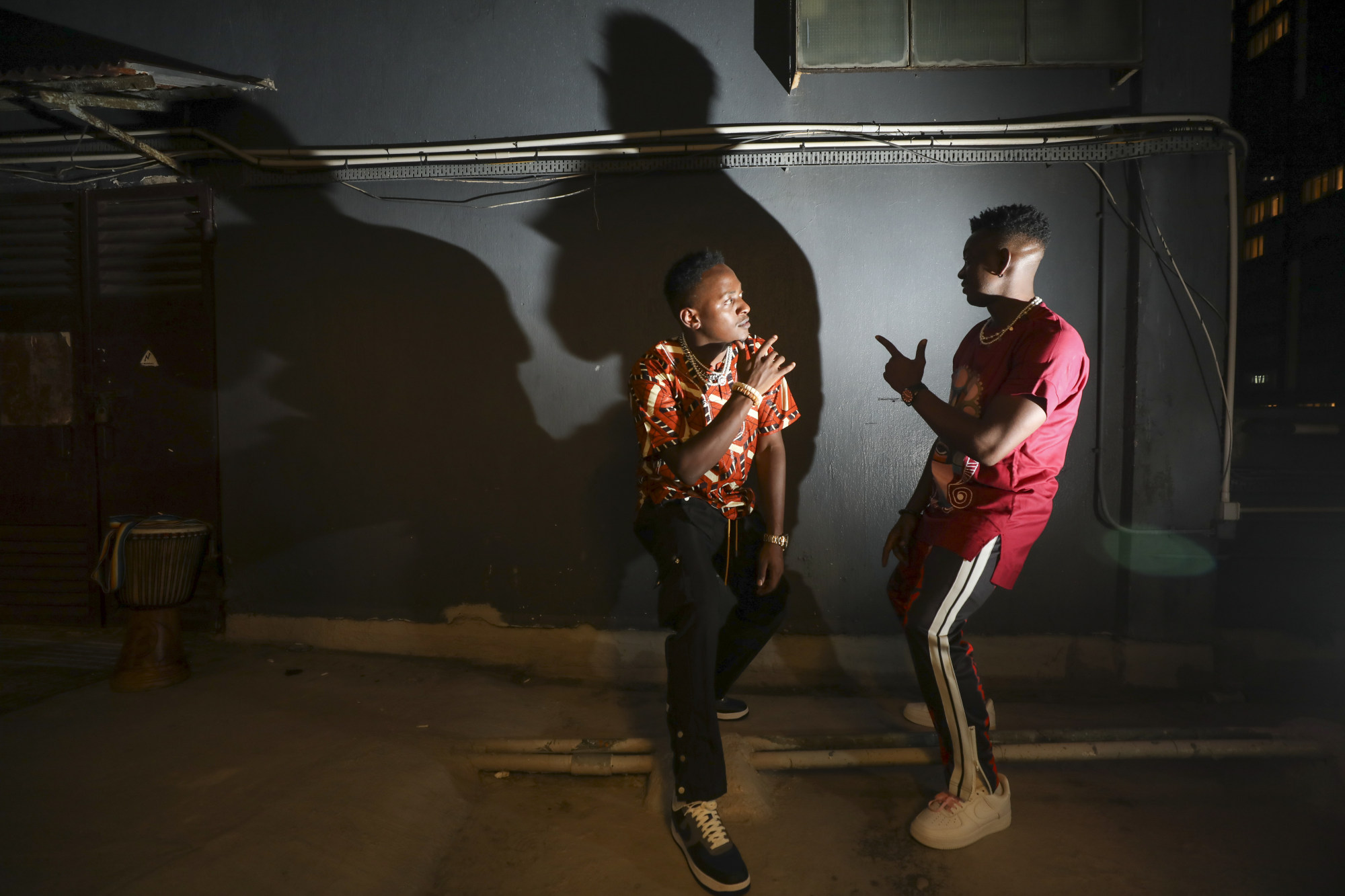
Trisyo also wants to harness music to help reshape the image that some in Hong Kong have about people from the African continent.
“The more people learn about African culture, the less fear there is around it.”
Music has helped Supa Massie process past traumas. Sierra Leone is still scarred by an 11-year civil war that ended in 2002 and left more than 50,000 people dead.
“I still get emotional – it’s hard to talk about what happened.”
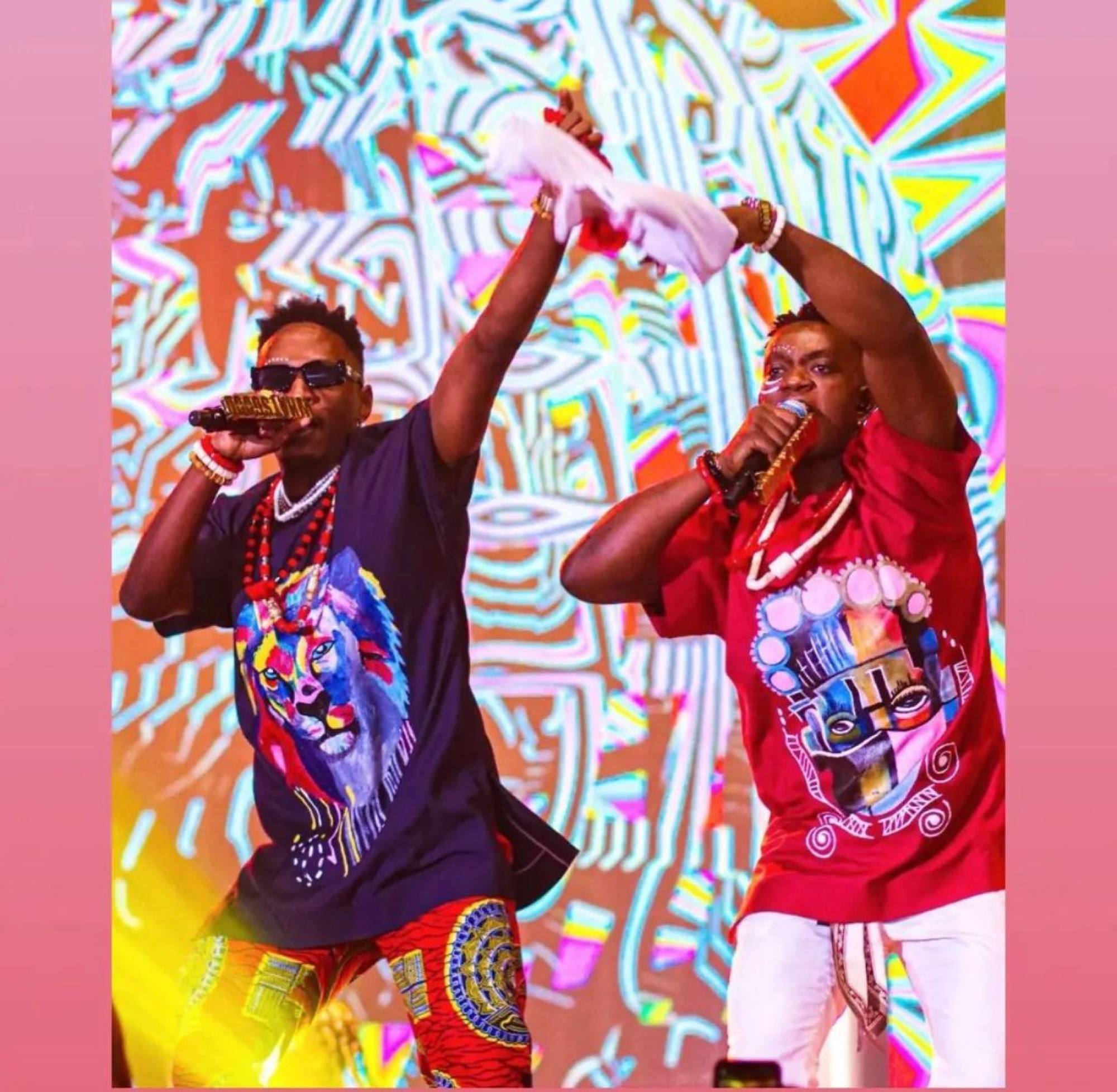
But it wasn’t easy to convince his family that a career making it was his chosen path.
“Back in 2003 my father was like ‘no more music, you need to go to school’, but I knew he had accepted my choices when I saw a video of him dancing with some soldiers to my songs,” he says.
“Then my mum, my sister and my aunties started sending me videos of them dancing to my songs. That’s when I knew I would not stop making music.”
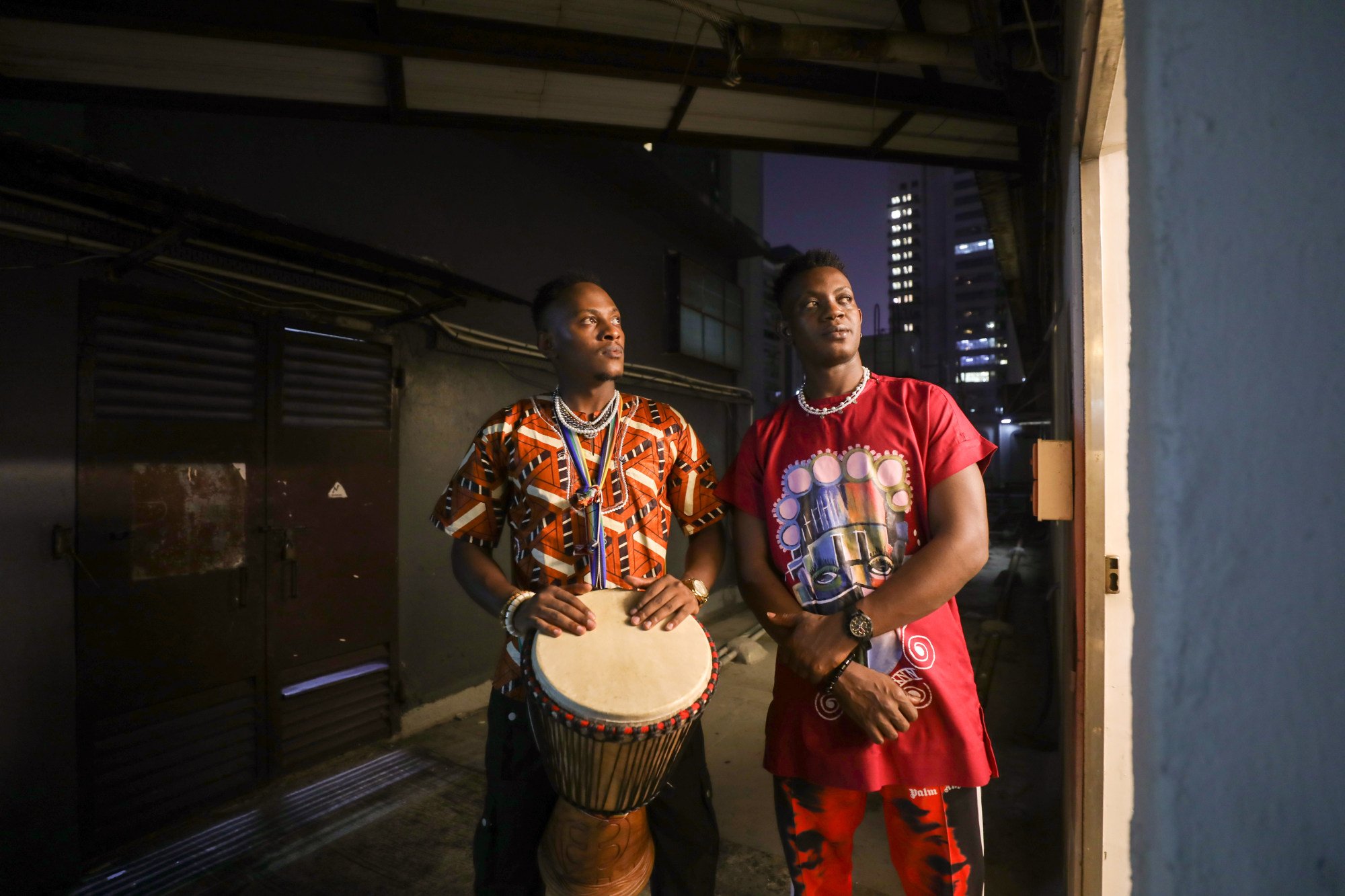
Fashion is another of Supa Massie’s passions and today he’s wearing one of his bold designs, a bright red T-shirt bearing the colourful face of a warrior.
“I love expressing myself through design and exploring that strong cultural connection between fashion and music,” he says.
As we leave the studio, Supa Massie points to a large unused rooftop surrounded by towering residential blocks.
“It would be great to use this space as our stage,” he says. “We could have African food, fashion and art – a real celebration of African culture.”
Crédito: Link de origem

- Advertisement -

Comentários estão fechados.