
Port town in Haiti finds steady support from Fairfield nonprofit

FAIRFIELD — Susan Whitcomb still remembers witnessing the devastation of the 7.0 magnitude earthquake that brought buildings to a crumble of rubble in 2010 in Haiti, killing as many as a reported 220,000 people.
Whitcomb had been teaching English and French as an aid worker to students whose homes were destroyed by the earthquake in the port town of Jacmel. That experience pushed her to establish Haitian Educational Initiatives back in Fairfield as another means of support for the families reeling from the economic conditions in the country, especially the impacts on education.
“The schools had been destroyed, the houses were destroyed, people were digging out piles of rubble, and the poorest areas were the ones that had the most displaced children and orphan children,” Whitcomb said.
Whitcomb said she formed a staff of community leaders in Haiti to distribute aid from Connecticut in hopes of feeding and educating children living around Jacmel, where a low literacy rate poses a major barrier for families experiencing the country’s poverty. About 58.5 percent of Haiti’s population lives below the poverty line, according to the Central Intelligence Agency.
She said food remains the organization’s largest expense because of the lack of agriculture across the mountainous terrain and gang-controlled roads blocking food access. Whitcomb said the cost of attainable food has meanwhile skyrocketed because of the short supply, but U.S. dollars make a major difference and guarantee families at least one cooked meal a week.
“Kids may only have a meal of cornmeal mush a day if they’re lucky,” she said.
Whitcomb said donations from HEI have totaled about $1.25 million since its founding in 2010, and a majority of the financial support has come from Connecticut. She said the nonprofit, which has about has about 10 volunteers, looks for donations from a group of about 500 people and has received several grants from Trinity Episcopal Church in Southport among other contributions from local businesses and family foundations in the Fairfield area.
The most recent show of support came last week from Maplewood at Southport, which has now raised at least a combined $12,000 through a pair of scarf exchanges. Jane Dean, a decades-long friend of Whitcomb, has been the force behind the facility’s continuing support for Haiti.
Dean, a former nonprofit executive, said the most recent scarf exchange in one of Maplewood’s gathering spaces attracted about 100 people. She she’s held scarf exchanges for HEI about six or seven times in the past at her home in Southport and capitalized off the tight-knit living community at Maplewood to continue raising money for the families living around Jacmel.
Whitcomb said the two met at a Wellesley College alumni event in the 1980s, and Dean started supporting HEI “right away” after its founding. Whitcomb said Dean has been a donor and “ambassador” for HEI who raises awareness for the organization through word of mouth, which can deliver major impacts — like thousands of dollars at a scarf exchange.
Dean said the event helped educate members of the living facility about the situation around Jacmel and created an opportunity for residents to learn more about it from one of Maplewood’s food service staff members who’s from the town along Haiti’s southern coast. She said she hopes the proceeds from the event will allow the children of the Jacmel area find access to basic necessities, like a hot meal, school uniform and a quality education.
“You know from now on, if they hear anything about Haiti, they can think that ‘Well, I’m part of it,'” Dean said.
Whitcomb said the group is partnered with a pair of community groups in Haiti — Foyer d’Initiatives pour l’education en Haiti and Fondation Jean Bellande Joseph — who work as paid HEI employees on the ground as part of their efforts to support families through poverty. She said 12 to 15 workers there deliver aid for food and scholarships and operate job training, tutoring and summer camp programs. She said HEI also turns to the Haitian community in the area to understand the language and customs that mold their relationship with those they support with food, aid and education.
Those employees in Haiti serve more than 200 students from more than 50 schools around the Jacmel area, according to HEI’s website. Whitcomb said nearly 2,000 likely benefit indirectly from HEI’s mission because of the businesses activity and trade activity the group stimulates.
“When I was an aid worker there, I noticed that there were Haitian community groups that were taking care of displaced children, teaching them lessons under a tree by the side of the road in this area, and I thought that helping Haitians who already have the initiative to take care of disadvantaged children was the way to support the community rather than, as a foreigner, coming into town and telling people what to do,” she said.
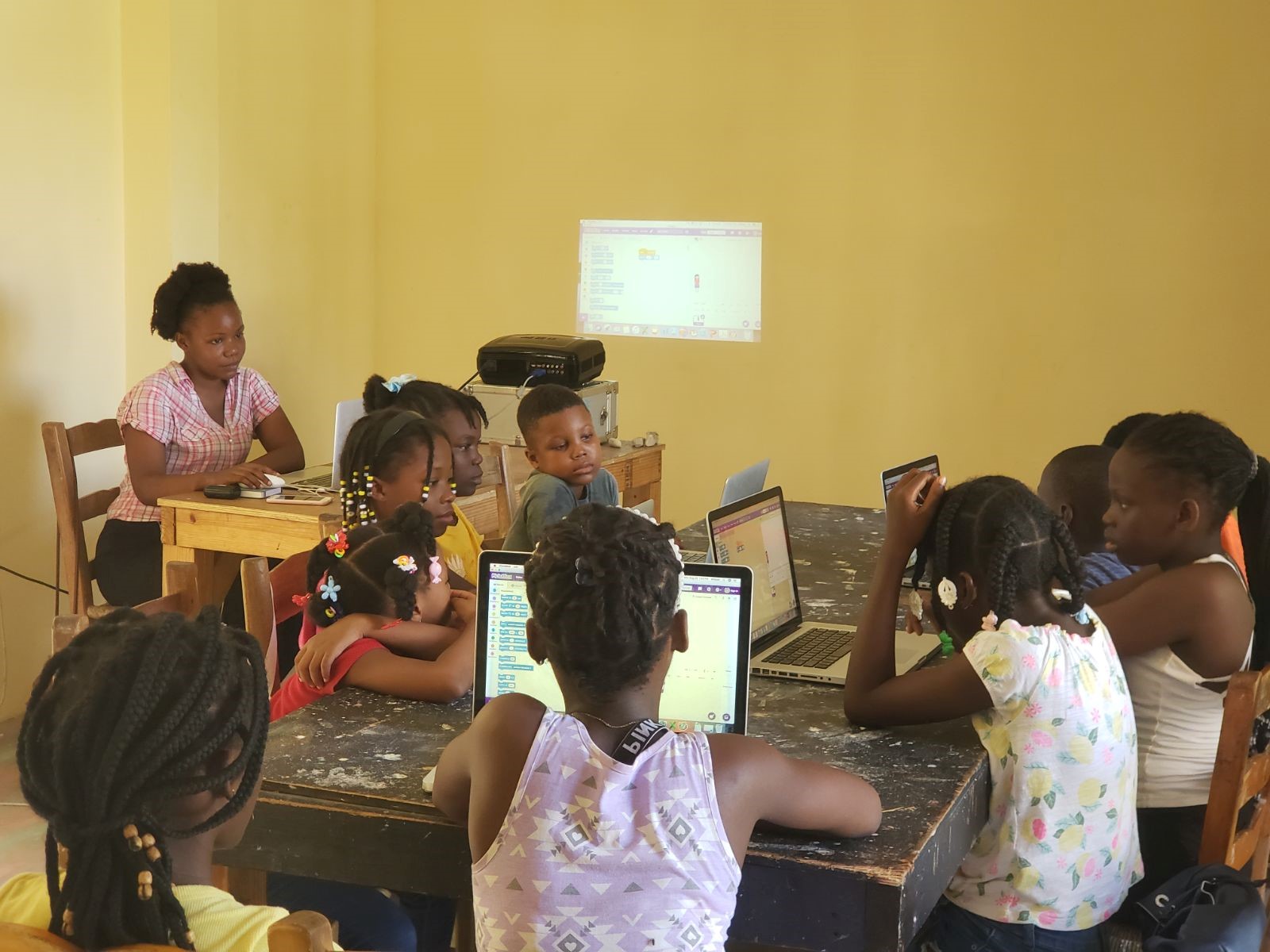
Whitcomb said HEI operates two job training centers in Jacmel and the nearby Cayes-Jacmel that supplement students’ traditional day schooling and after-school tutoring. She said students learn about technology, tailoring, dress-making, art, singing and poetry at the Cayes-Jacmel center, and the school in Jacmel offers a more advanced level of the same programming.
That education can encourage graduates to start their own businesses. That message rings loud and clear all the way to the uniforms and backpacks students wear — products of alumni’s tailoring brands charting their own paths in their careers.
“We believe that entrepreneurship is the way people are going to make money because the country does not attract foreign investment,” she said. “So by giving them computer skills and trade skills, we can help them build their community and create jobs.”
Crédito: Link de origem

- Advertisement -

Comentários estão fechados.